The short answer. In October 2026, you cannot obtain a new holiday-rental registration for a flat in an apartment building anywhere in the Balearic Islands, and Palma no longer allows new tourist places in any type of home. Outside Palma, a house (detached, terraced or semi-detached) can be registered only where island and municipal zoning allow holiday letting and the home obtains tourist places. Mallorca's 2026 pool of places closed to applications in April, and a June draw set the order in which they are processed. An existing registration can continue under a new owner, but it does not update itself when the home is sold, and it is only worth something if it is valid on the official register and the home still complies. Never pay extra for a "licence" until your lawyer has verified it.
A holiday-rental registration is one of the most valuable and most misunderstood features of a home in Mallorca. Many guides still describe the application window as open, call every apartment "banned", or assume a licence passes with the keys. None of these is quite right. This guide sets out what was in force on 5 October 2026, with a link to the official source for each rule, and explains what each rule means for the type of home you are considering.
Status board: the rules on 5 October 2026
| Rule | Status | What it means for a buyer | Official or primary source |
|---|---|---|---|
| No new registrations for homes in buildings under horizontal property (apartment buildings), anywhere in the Balearics | In force since 16 April 2025 (Decree-Law 4/2025). Exceptions widened by Law 4/2026 from 14 June 2026 | A flat or penthouse cannot be newly registered for holiday letting. The exceptions are terraced and semi-detached houses and detached houses that share a plot with other buildings. | BOE: Decree-Law 4/2025; BOE: Law 4/2026 |
| Palma: no new tourist places in any home | Definitively approved by Palma City Council on 29 May 2026 | No new holiday-rental registrations in the municipality of Palma, including villas. Time-limited registrations cannot be renewed. | IB3, 29 May 2026; Economía de Mallorca, 3 February 2026 |
| Mallorca 2026 temporary pool of 1,069 tourist places | Closed. Applications ran from 23 March to 8 April 2026, and the draw was held on 8 June 2026 | There is no open application window. A waiting list valid for six months covers places released by later de-registrations. | Consell de Mallorca, 8 June 2026 |
| Community approval for new tourist letting in a building | In force nationally since 3 April 2025 | Starting tourist letting in a building with a community of owners needs the community's express prior approval, by three fifths of owners and quotas. | BOE: Horizontal Property Law, arts. 7.3 and 17.12 |
| National single register of short-term rentals | Annulled by the Supreme Court in May 2026 | A national registration number is not required. Balearic registration and the platforms' duties to report data remain. | Supreme Court press note, 21 May 2026 |
| Higher fines for unregistered letting | In force since 16 April 2025 | Up to €5,000 for minor, €50,000 for serious and €500,000 for very serious infringements. Platforms must display the registration number. | Govern de les Illes Balears |
| 10% VAT on tourist flats | Rejected. It was part of a housing decree-law that Congress voted down on 2 October 2026 | Not a cost to budget for at present. A general election has been called for 29 November 2026, so watch the next government's programme. | Euronews, 2 October 2026; El Periódico, 2 October 2026 |
How a holiday-rental registration works in Mallorca
In Mallorca, letting a home to tourists for short stays is a regulated tourist activity. The owner files a responsible declaration of the start of the activity with the Consell de Mallorca, the island government. The home is then entered in the official register of tourist businesses and receives a registration number, which must appear in every advertisement. Each registered home is also allocated a number of tourist places, roughly one per guest bed. Places are capped across the island, so a new registration needs places from the island's pool.
You can check any registration in the public register of tourist businesses and establishments of the Balearic government, which shows the registered address, modality and number of places. This is the first thing to check whenever a seller or agent mentions a licence.
Apartments and penthouses: no new registrations
Since Decree-Law 4/2025 came into force on 16 April 2025, no new responsible declarations can be filed for homes in buildings under the horizontal property regime anywhere in the Balearic Islands. In practice, this covers almost every flat and penthouse. The rule does not apply to terraced and semi-detached houses or, since Law 4/2026 came into force on 14 June 2026, to detached houses that share a plot with other buildings. The separate regime for letting a home that is the owner's main residence is also excluded and has its own conditions.
The decree did not cancel existing registrations in apartment buildings. They continue as long as the home meets the requirements. These registrations were granted for limited periods, though, so the expiry date matters as much as the number itself. In Palma, tourist letting in apartment buildings has been prohibited since 2018, and the city's 2026 plan change bars the renewal of time-limited registrations.
At the national level, since 3 April 2025, an owner who wants to start tourist letting in a building needs the express prior approval of the community of owners, by a three-fifths majority. Community statutes can also prohibit it outright.
What this means for you. If you are buying a flat or penthouse, value it as a home to live in or to let on long-term or seasonal contracts, not as a holiday rental. If a seller claims an existing registration, treat it as a fact your lawyer must prove, not as a feature of the price.
Palma: no new tourist places in any home
Palma's City Council has gone further than the regional rules. In February 2026, its planning board approved a change to the 2023 General Plan that declares the whole municipality unsuitable for holiday letting in homes. It removed the 374 potential places the plan had provided for (231 in the city and 143 on rural land), barred the renewal of time-limited registrations and blocked the relocation of existing places. The full council approved the change definitively on 29 May 2026.
Palma had 4,473 holiday-rental places in 632 homes when the change was announced: 381 homes in the urban area, 76 in Playa de Palma and Can Pastilla, and 175 on rural land. The council expects the number to fall gradually as registrations are cancelled.
What this means for you. Neighbourhoods such as Son Vida, Génova, La Bonanova and Son Armadams are within the municipality of Palma, so the city's rule applies there too. A villa in Palma can only be let to holiday guests if it already has a valid registration that continues to comply. For most Palma buyers, the realistic plan is to live in the home or to let it long term. Our Palma neighbourhood guide compares the areas on that basis.
Houses and fincas outside Palma
Outside Palma, houses are the main property type for which a new registration can still be considered: detached houses and fincas, as well as terraced and semi-detached houses, which also need community approval where they form part of a community of owners. Three conditions must be met.
- Zoning. Island and municipal planning must allow holiday letting at that location. Many municipalities have set their own limits, so check the specific plot, not just the municipality.
- Tourist places. The home needs places from the island's capped pool. In 2026, the Consell de Mallorca offered a temporary pool of 1,069 places, made up only of places released by earlier de-registrations. It did not create new places or raise the island's ceiling. Applications closed on 8 April 2026. On 8 June, a public draw among 721 admitted applications set the order in which they are processed, and a waiting list remains valid for six months. Owners can also transfer places between homes they own, through a separate procedure.
- A compliant home. The building, its extensions and its use must match its licences and the registered description. A finca with unlicensed additions can fail at this stage.
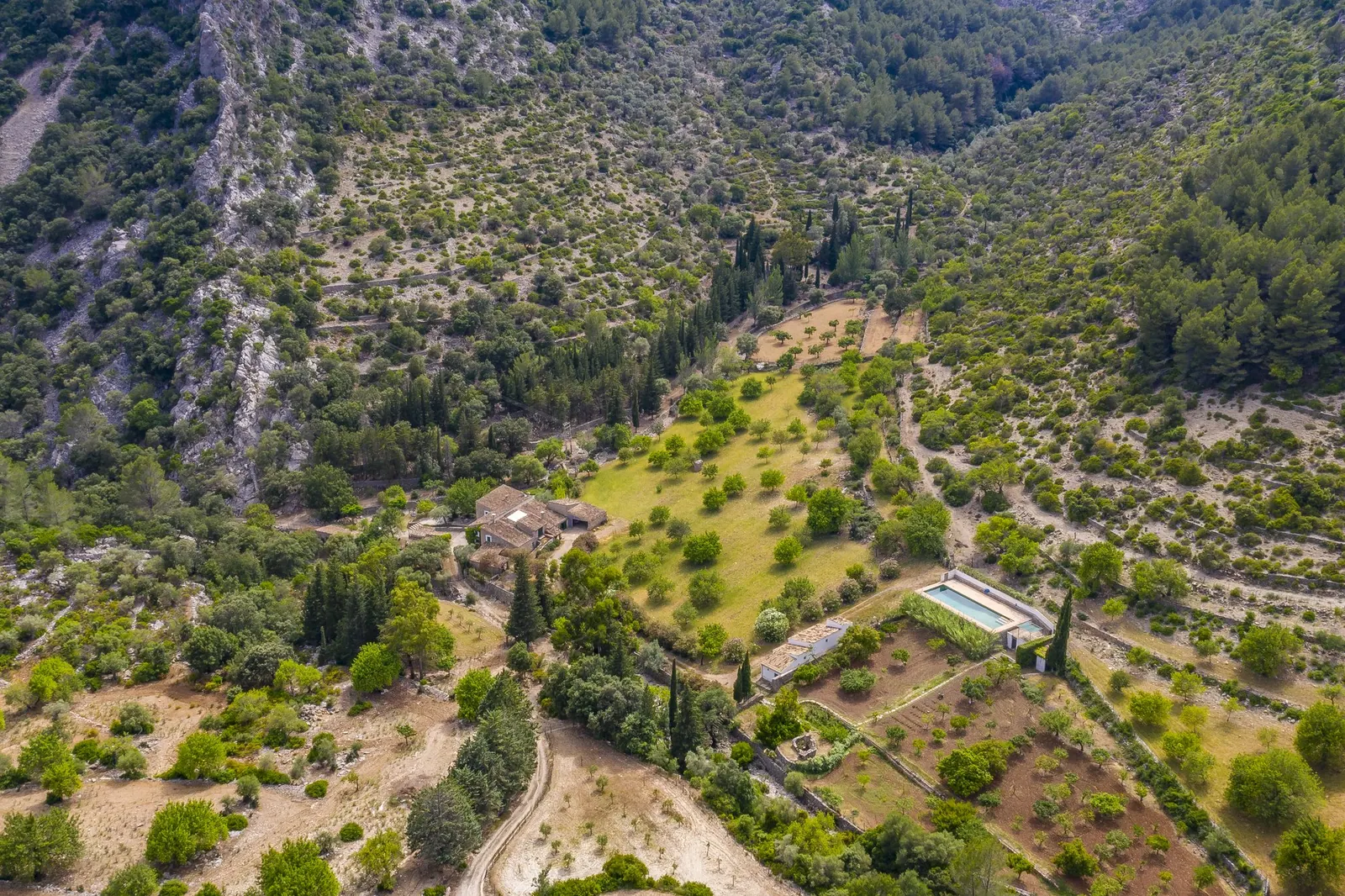
What this means for you. Do not buy a detached home on the assumption that you will "get a licence later". In October 2026 there is no open window to apply for places. If holiday letting is central to your plan, look for a home that already has a valid registration, and make that registration a condition of the purchase.
Buying a home that already has a registration
When a registered home is sold, the registration can continue under the new owner, but it does not pass automatically. The new owner must notify the change through the Consell de Mallorca's procedure for changing the data of tourist stays in homes. Before that, your lawyer should confirm that the registration is valid and that the home still meets the conditions it was granted under.
Before you sign a reservation agreement, ask for:
- The registration number, then check it in the official register: the address, modality and number of places must match the home you are buying.
- The validity period. Is the registration permanent or time-limited, and when does it expire? In Palma, time-limited registrations cannot be renewed.
- The original responsible declaration and its attachments, including the plans and the number of bedrooms and places declared.
- The building and planning licences for the home and any extensions, plus the habitability certificate. A pool house turned into a bedroom can change the number of places.
- For a home in a community: the statutes and the minutes of recent meetings, to confirm the community has not prohibited or restricted tourist letting.
- Evidence of compliance, such as tourist-tax filings and recent booking history. These show the activity has been run legally.
- A contractual condition. Ask your lawyer to make the validity of the registration, and its transfer to you, a stated condition of the purchase, backed by the seller's warranties.
Fines of up to €500,000 for very serious infringements, and the platforms' duty to display registration numbers, mean that undocumented letting is no longer a realistic plan. Our due diligence checklist covers the other checks to make before you buy, and non-resident owner obligations explains how rental income is taxed.
Which plan fits which home?
| Property type | New holiday-rental registration in October 2026 | Realistic plan |
|---|---|---|
| Flat or penthouse in an apartment building, anywhere in the Balearics | Not possible | Live in it, or let it long term or seasonally. An existing registration must be verified. |
| Any home in the municipality of Palma | Not possible | Live in it or let it long term. Only existing, valid registrations can continue. |
| Terraced or semi-detached house, or detached house sharing a plot, outside Palma | Not covered by the apartment-building rule, but needs zoning, places and community approval | Check the plot's zoning and the community's position first. |
| Detached house or finca outside Palma | Only where zoning allows and places are available. The 2026 pool is closed | Buy one that is already registered, or budget without rental income. |
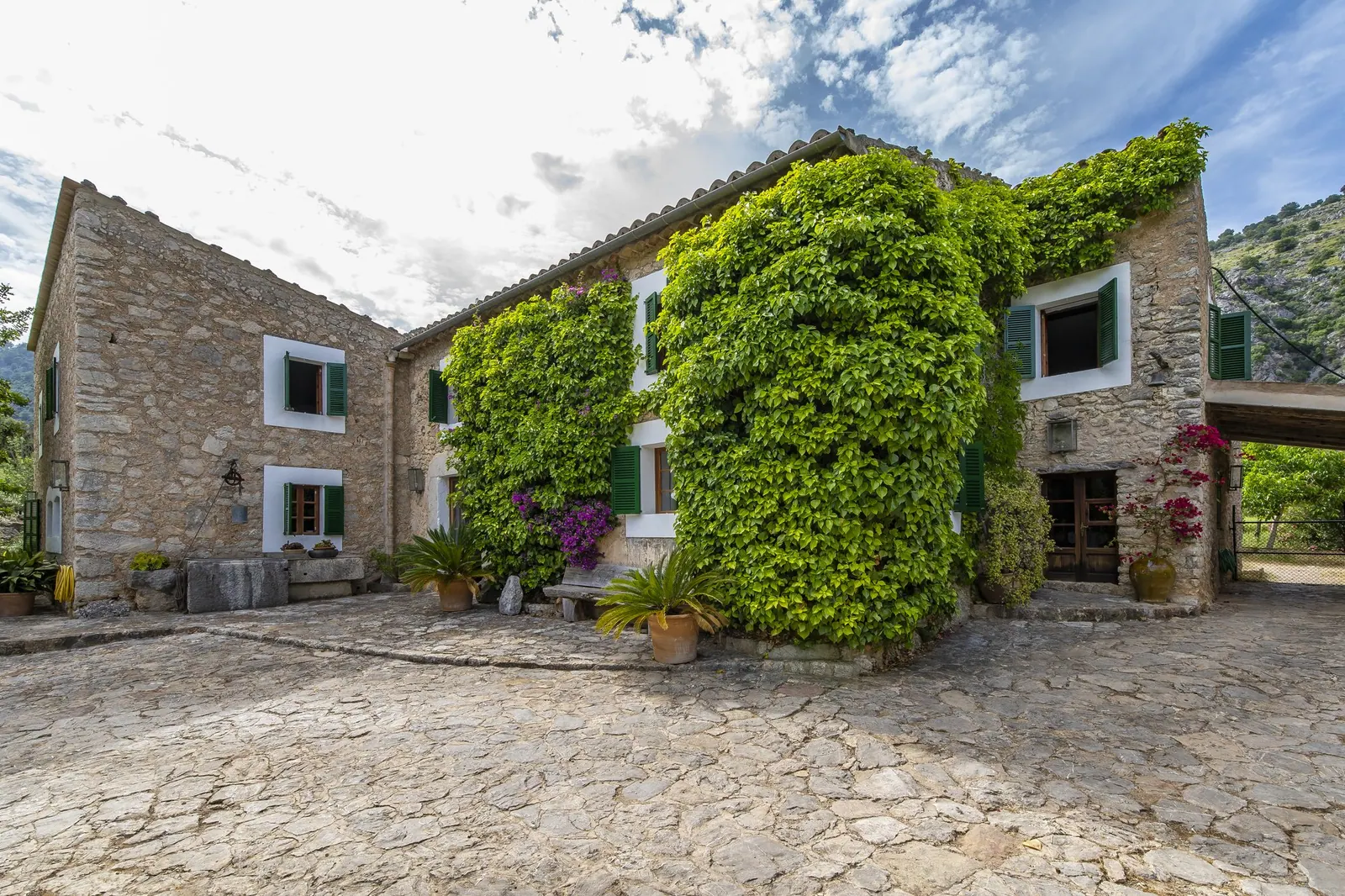
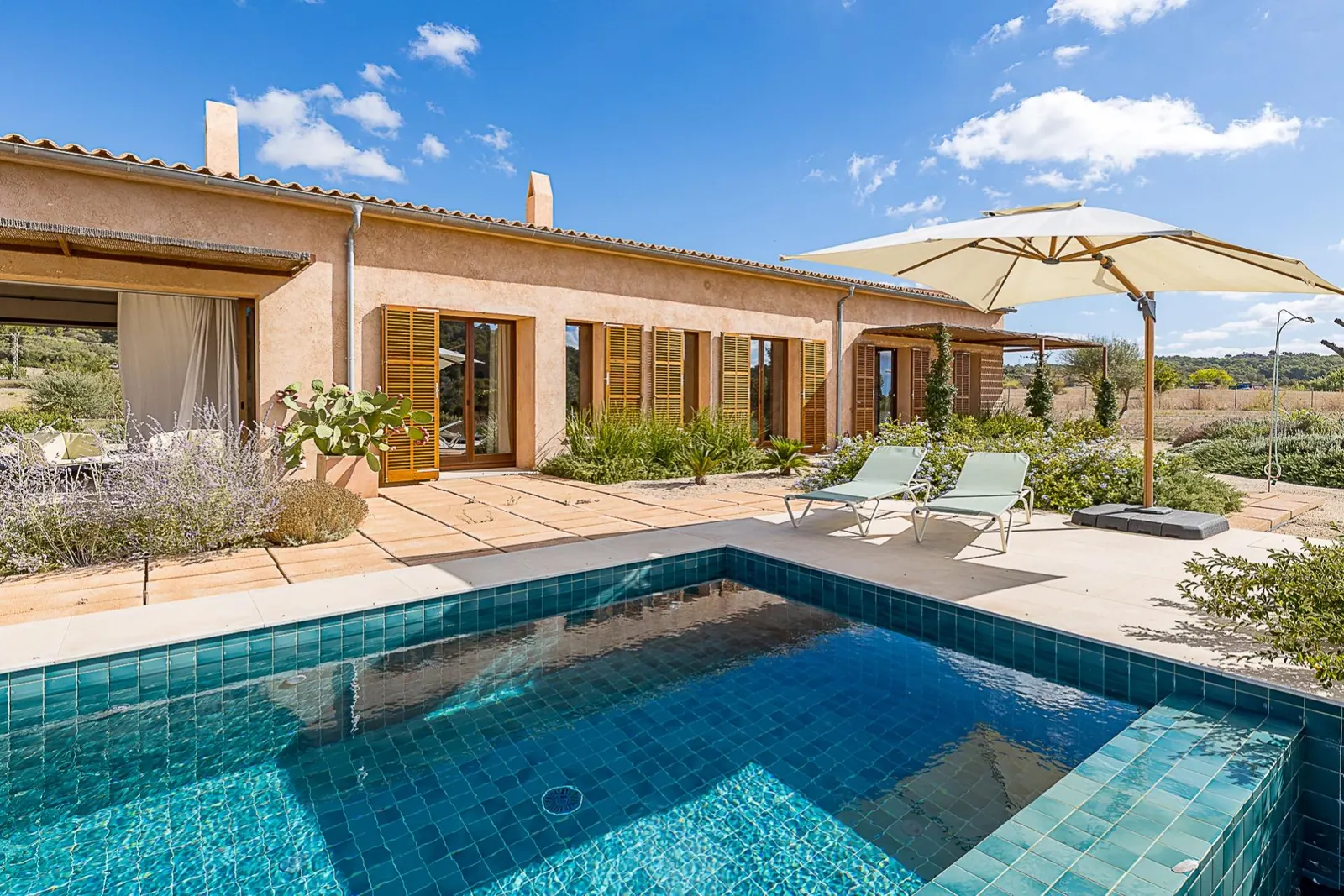
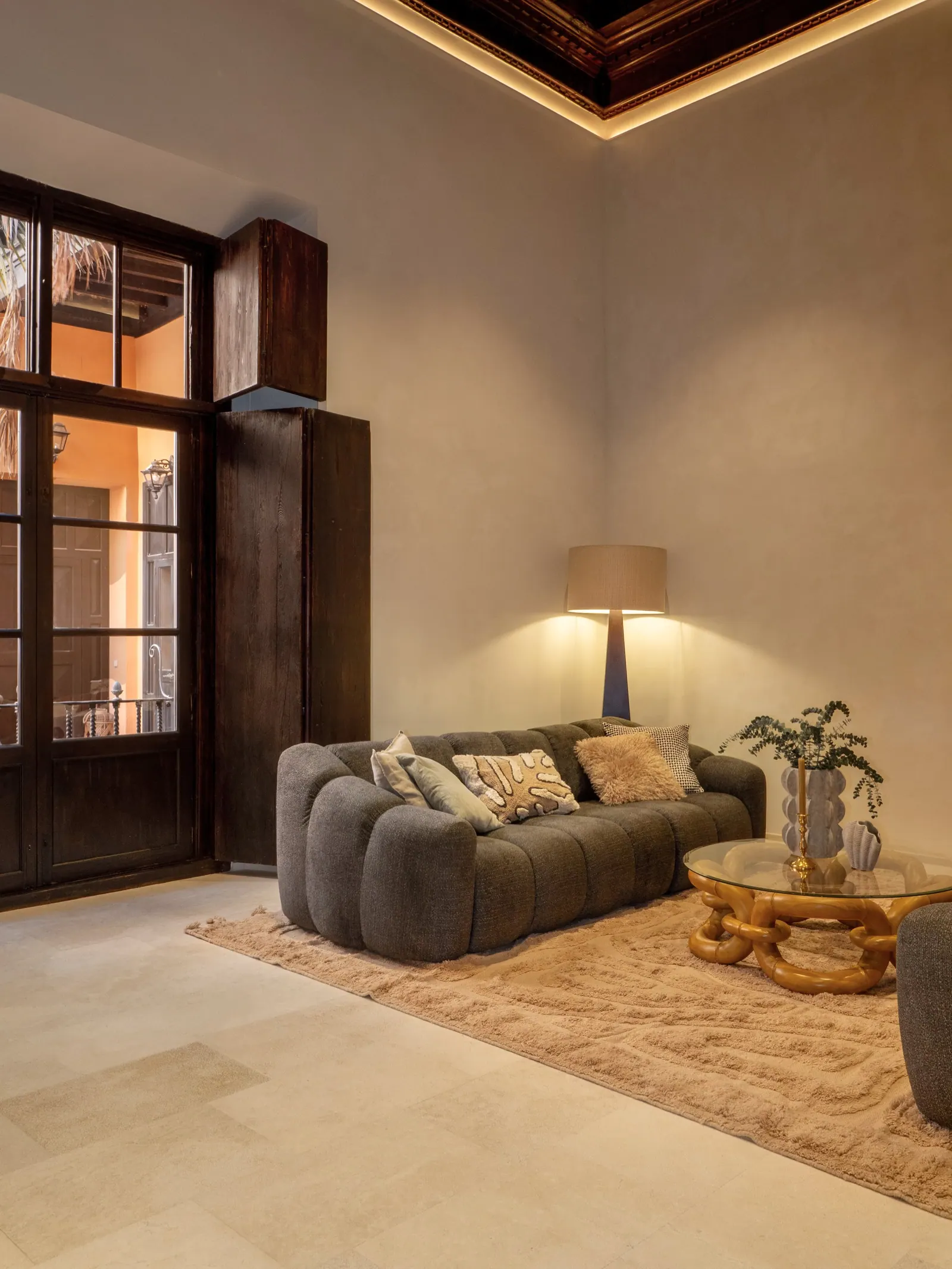
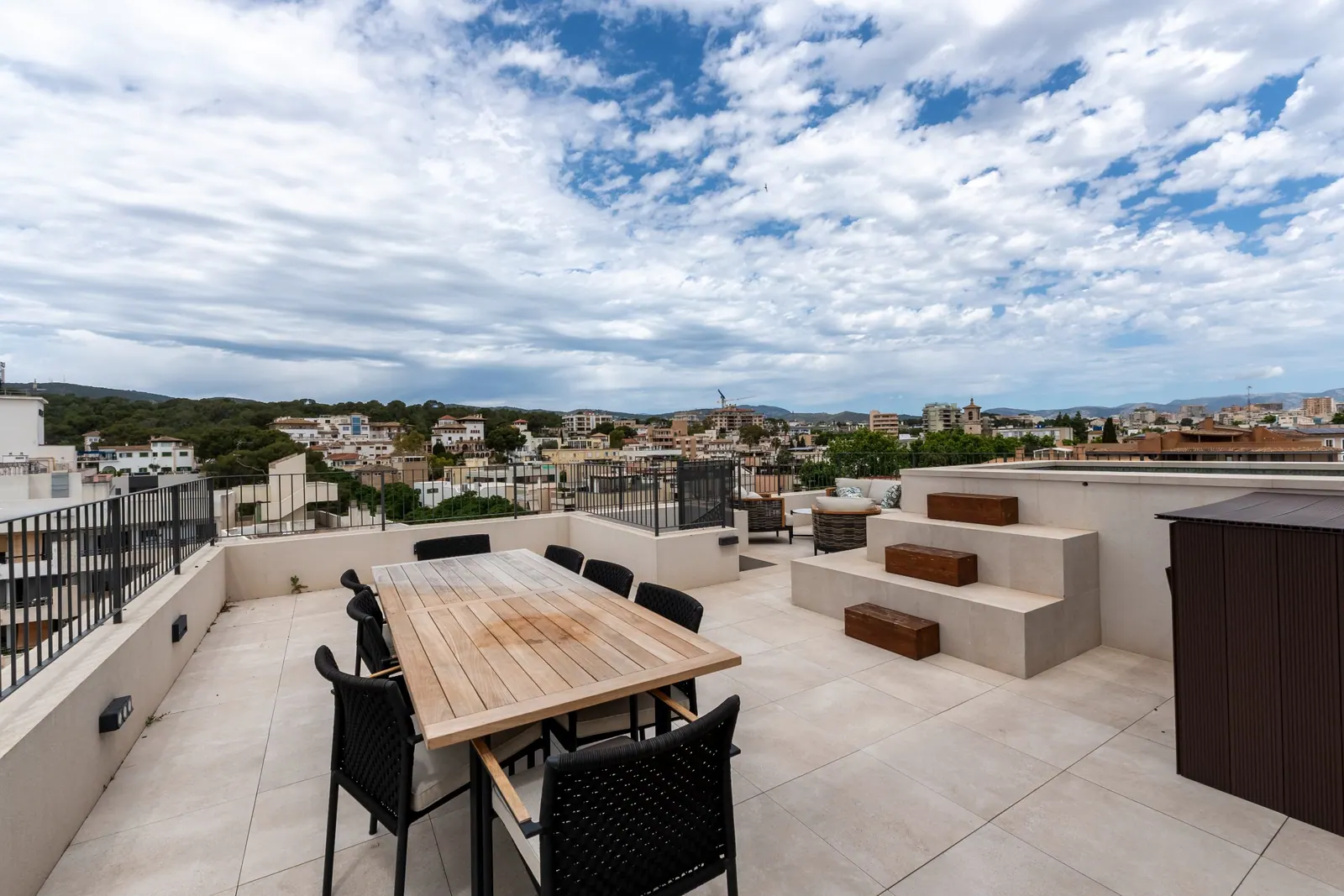
The homes shown illustrate each property type. They are not offered with any representation about holiday-rental registration. If you want to know a specific home's position, ask us and we will request the documents from the owner. You can also browse every villa for sale in Mallorca, or read our guide to purchase costs in 2026 before you calculate a yield.
Can I still get a holiday-rental licence in Mallorca in 2026?
Only for certain homes. No new registrations are possible for flats in apartment buildings anywhere in the Balearics, or for any home in Palma. A house elsewhere can be registered only where zoning allows it and tourist places are available. The 2026 pool of 1,069 places closed for applications on 8 April 2026, and a public draw on 8 June 2026 set the order in which applications are processed.
Can I rent my apartment to tourists in Mallorca?
Not with a new registration. Since Decree-Law 4/2025 came into force on 16 April 2025, new holiday-rental registrations are not allowed for homes in buildings under horizontal property in the Balearic Islands. The exceptions are terraced and semi-detached houses and detached houses that share a plot with other buildings. Existing registrations continue while the home complies, but they are time-limited and must be checked individually.
Does the holiday-rental licence transfer when I buy a home?
It can continue under the new owner, but not automatically. After completion, the new owner must notify the change to the Consell de Mallorca. Before signing, your lawyer should verify the registration on the official register, confirm its expiry date and check that the home still matches what was declared.
Do I need a national registration number to let my home in Mallorca?
No. In May 2026 the Supreme Court annulled the national single register of short-term rentals, ruling that the State lacked competence to create it. Balearic tourist registration, and the registration number in every advertisement, are still required.
What are the fines for illegal holiday rentals in Mallorca?
Since 16 April 2025, fines reach €5,000 for minor infringements, €50,000 for serious ones and €500,000 for very serious ones. Platforms must show the registration number of each listing.
Is there a 10% VAT on holiday rentals in Spain?
Not at present. A 10% VAT on tourist flats was included in a housing decree-law that Spain's Congress voted down on 2 October 2026. A general election has been called for 29 November 2026, so check the position again before you sign.
Checked against the official sources linked in this article on 5 October 2026. Palma's planning figures are as reported when the change was announced. This article is general information, not legal advice. Rules depend on the specific home, its plot and its documents, so always ask an independent lawyer to verify any registration before you commit.